

Agriculture : The Palm Oil Sector Faces the Challenge of a Productive Decline
Dernière mise à jours il y'a 9 moisCameroonian red gold is passing through a zone of severe turbulence. While market stalls anxiously monitor price stability, official figures confirm a worrying slowdown in national crude palm oil production. In the second quarter of 2025, harvested volumes collapsed to 46,826 tons, marking a 39.7% drop compared to the beginning of the year.
Lire aussi : Amélioration de l'accès à l'eau potable : La camwater à l'œuvre
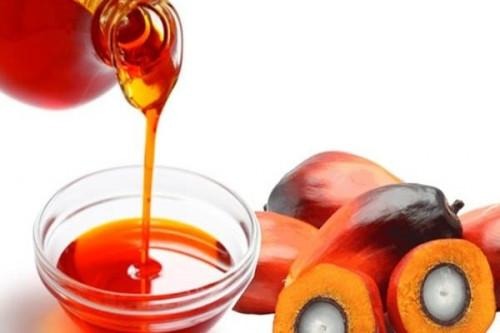
This decline, although seasonal in nature, masks a deeper crisis: that of a productive model reaching its limits, where aging orchards and social tensions surrounding the purchase price of nuts are clogging the gears. In this context of relative scarcity, the national economy stands at a crossroads, caught between a costly dependence on imports and the hope of a revival driven by new industrial champions as early as this beginning of 2026.
The diagnosis established by the Ministry of Finance points to structural flaws that have become critical. Beyond the vegetative cycle, the sector is suffering the repercussions of a failing collection logistics system, particularly at the industry leader Socapalm, where relations with independent smallholders are suffering due to unsatisfied pricing demands. This detrimental social climate, coupled with stagnant productivity and persistent land disputes, encourages the emergence of fraudulent export circuits that drain the domestic market. The result for the trade balance is undeniable: Cameroon injects approximately 100 billion FCFA annually to import vegetable oils, a financial burden that the government is desperately trying to alleviate through a more aggressive substitution policy.
It is into this breach that the OPALM project is stepping, with the start of construction for a massive factory in the Nyong-and-Ekellé division during this first quarter of 2026 marking a turning point. With an ambition to produce an additional 108,000 tons, the company led by Tarek Daoud promises to absorb nearly half of the current national deficit, estimated at 300,000 tons. This industrial offensive aims not only to fill the vats of local refiners but to sustainably restructure the rural world through integrated planning. By coupling technical modernization with price stabilization for producers, Cameroon hopes to transform the productive setback of 2025 into a mere memory, making palm oil the lever for a finally rediscovered food sovereignty.
CK

bernardo carlos ndjomo
Commentaire(s) du post




Floyd Miles
Actually, now that I try out the links on my message, above, none of them take me to the secure site. Only my shortcut on my desktop, which I created years ago.