

Africa's Debt Payments : To Drop 13% in 2025, Reducing Budgetary Burden
Dernière mise à jours il y'a 2 ansDebt payments are expected to continue declining in the coming years, releasing funds for allocation to priority areas and liberating resources for strategic investments in vital spending on development priorities, such as quality education and better access to healthcare
Lire aussi : Mborguene Mining exploitation : Cameroon and CAMINCO S.A Seal their Agreement
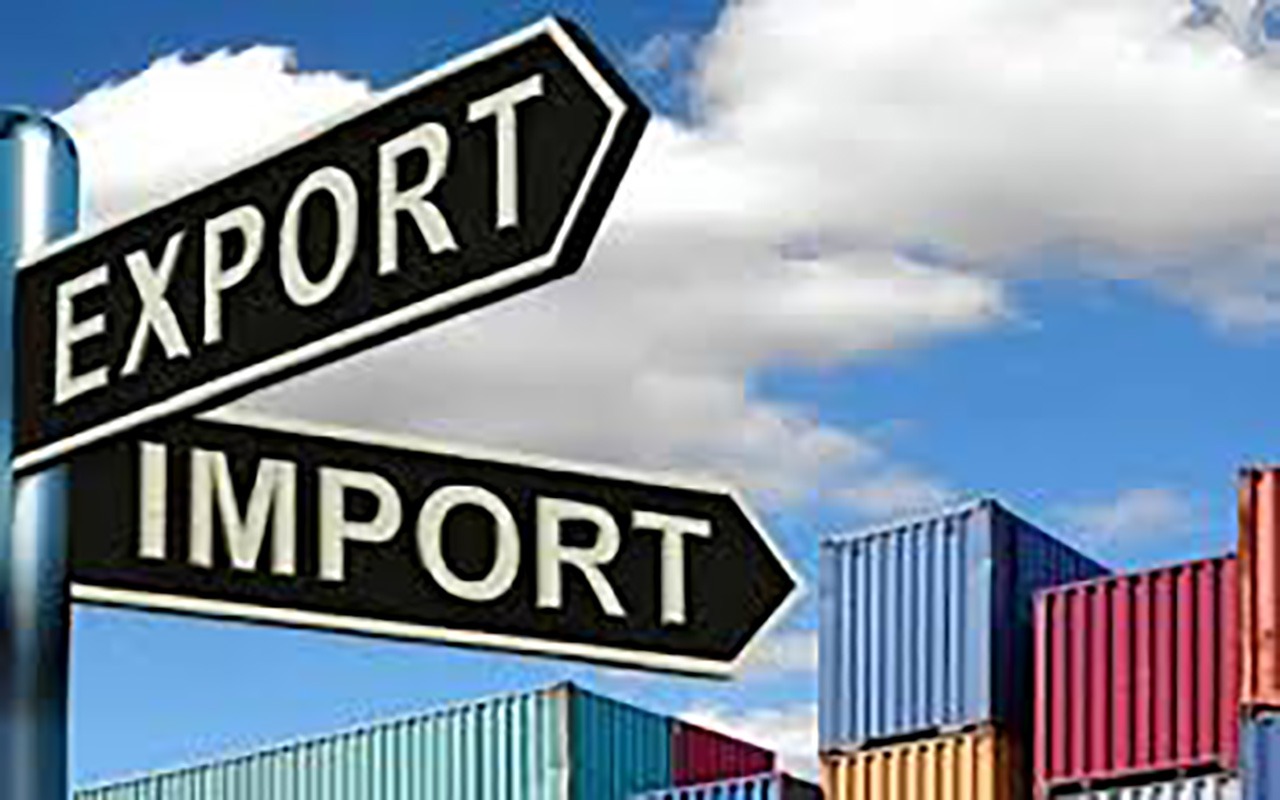
African countries are expected to pay $88.71 billion in foreign debt repayments in 2025, a 13% drop from the $102.59 billion projected for 2024, according to a report by ONE Campaign, an international NGO focused on combating extreme poverty and treatable illnesses.
Debt payments are expected to keep declining in the coming years, freeing up more room in national budgets for crucial investments in sustainable development goals like quality education and better access to healthcare.The report, titled African Debt Overview, highlights that 2024 marks the end of a long period of rising debt payments across the continent, a trend that began in 2009. The decline is expected to continue through 2029, when total external debt payments including interest and principal—are projected to fall to $63.12 billion. This decline is mainly driven by reduced borrowing costs, improved economic conditions, advances in debt reorganization, and progress in debt reform initiatives. The expected drop in debt service could release critical resources for essential sectors including health and education, which are vital for economic growth and human development. According to the report, Africa's foreign debt has skyrocketed from $220.51 billion in 2009 to a record $685.47 billion by the end of 2023—equivalent to 24.5% of the continent's combined GDP. This steep rise is caused by increasing funding requirements, fueled by rapid population growth, underdeveloped local capital markets, and global crises such as the COVID-19 pandemic and the Russia-Ukraine war. As a result, 20 low-income African nations are currently experiencing debt distress or are highly vulnerable to it.Africa's debt structure has undergone a substantial change. Private lenders currently account for 43% of Africa's total foreign debt, compared to 34% for international institutions such as the IMF, World Bank, and African Development Bank, and 23% for bilateral creditors. China is now Africa's top bilateral creditor, having $62.86 billion in outstanding debt as of 2023 year-end far ahead of France ($15 billion), Saudi Arabia ($11.85 billion), Kuwait ($9.62 billion), and Germany ($9.48 billion)
Christelle koambi

JESSICA CHRISTELLE KOAMBI
Commentaire(s) du post
 bernardo2



Floyd Miles
Actually, now that I try out the links on my message, above, none of them take me to the secure site. Only my shortcut on my desktop, which I created years ago.