

Wheat sector : between lack of support and losses, the alarm cry of Cameroonian seed producers
Dernière mise à jours il y'a 2 ansIn 2024, Cameroon sold all its adapted seeds and species to Nigeria, according to the Minister of Scientific Research and Innovation. This revelation was made before the members of the Finance Committee at the National Assembly in December 2024
Lire aussi : The African Development Bank and the Pandemic Fund :Signed an agreement to mobilize resources to address pandemics.
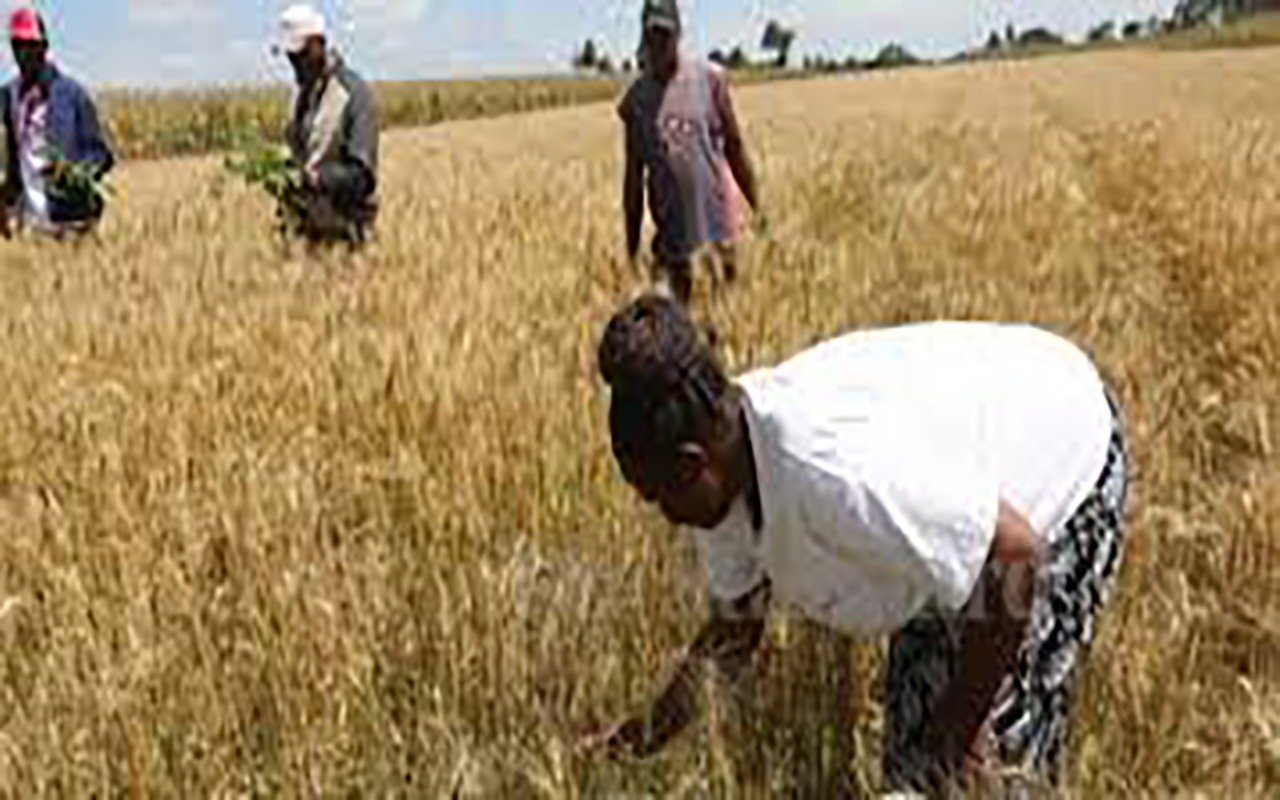
The reason behind this sale is that Cameroon does not have available land to industrialize public farming.The seeds in question, produced by the Institute for Agricultural Research and Development (IRAD), are "climate-smart" seeds that are resistant to drought and climate change. They are adapted to Cameroon's five agro-ecological zones, but unfortunately, they could not be made viable locally. Minresi officials specify that these are mainly wheat seeds. After the closure of the Wheat Development Company , Cameroon relaunched research on this cereal in 2009. However, it was in 2020, faced with difficulties in supplying Ukrainian wheat, that the government accelerated research and development efforts.The IRAD has developed nearly 50 varieties of wheat seeds, with an annual production capacity of up to 200 tons. These seeds, adapted to hot zones, were to be multiplied by local seed producers and then purchased by the government through the Ministry of Agriculture for distribution to producers. However, this process has been hindered by the non-release of a subsidy of 10 billion FCFA planned as early as 2020 to support this initiative. While awaiting the release of the 10 billion FCFA subsidy, the Minresi is experimenting with its wheat seeds in Wassandé (Adamaoua) on an area of 600 hectares. Two varieties of wheat, comparable to Ukrainian wheat, are being tested. For 2025, Minresi plans to release a first tranche of 4 billion FCFA to support the production of pre-base and base wheat seeds. This initiative aims to revive the wheat sector in Cameroon and reduce dependence on import. Although the seed sector in Cameroon is promising, it faces major challenges, including a lack of local outlets, insufficient yields, and delays in government support. Reviving the wheat sector requires significant investment and better coordination among stakeholders to fully exploit the country's agricultural potential
Christelle koambi

JESSICA CHRISTELLE KOAMBI
Commentaire(s) du post

 bernardo2


Floyd Miles
Actually, now that I try out the links on my message, above, none of them take me to the secure site. Only my shortcut on my desktop, which I created years ago.