


Capital Markets : EBID Aims to Break the Financing Cost Barrier in the ECOWAS Zone
Dernière mise à jours il y'a 6 moisThe ECOWAS Bank for Investment and Development (EBID) is undertaking a profound mutation of its operational model. Through its new five-year roadmap titled the GRO Strategy, the Togo-based institution plans to allocate nearly 41% of its commitments by 2030 to projects respecting environmental, social, and governance (ESG) criteria. In a region where access to energy remains a major challenge, this orientation marks a desire to reconcile growth imperatives with climate resilience.
Lire aussi : CEMAC Banks : A 500 Billion FCFA Thirst for Liquidity
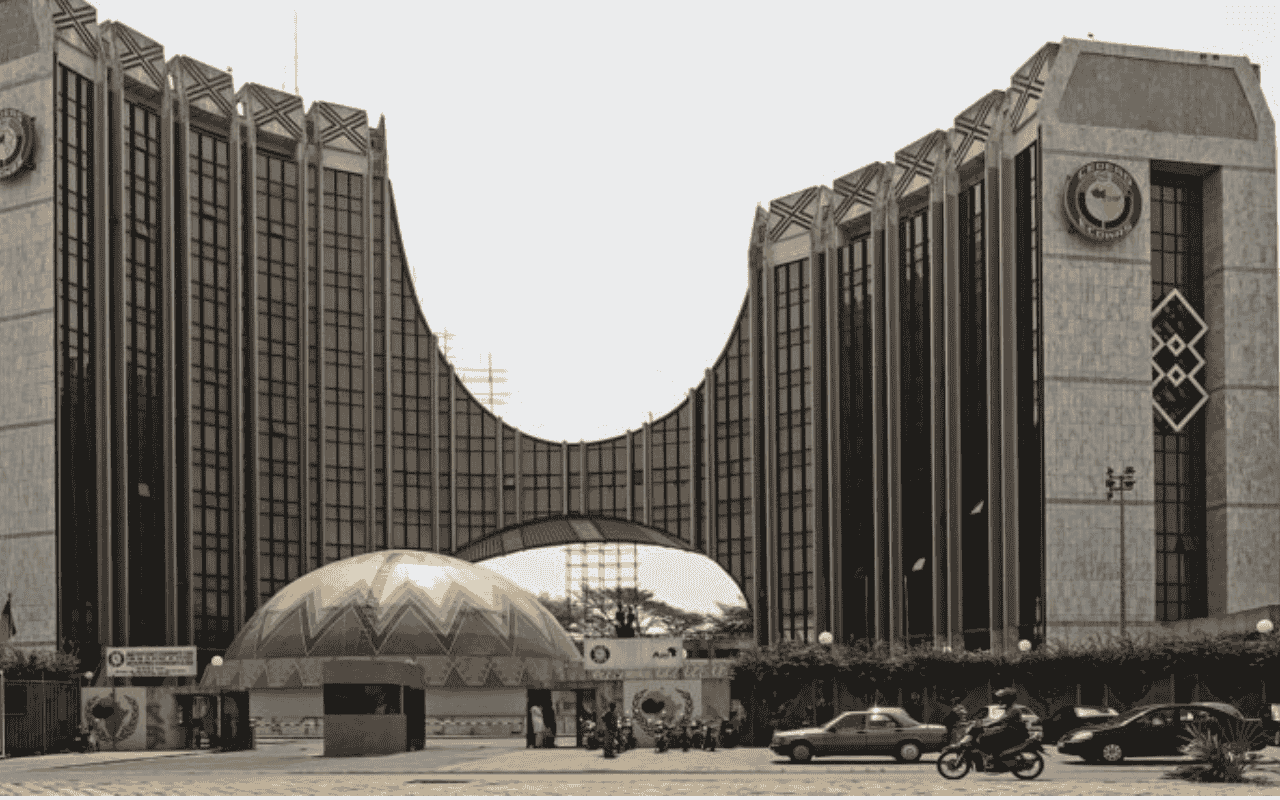
The ambition of EBID is part of a necessary catch-up context for the continent. Although climate financing in Africa progressed by 48% over the 2021-2022 period, the private sector's contribution stagnates at 18%. To reverse this trend, the bank obtained accreditation to the Green Climate Fund (GCF) in 2025. This status, coupled with a 100-million-euro agreement signed with the European Investment Bank (EIB), allows the institution to mobilize resources at preferential rates, thereby bypassing the prohibitive cost of capital that usually penalizes African borrowers.
The credibility of this new trajectory rests on recent successes in the financial markets. In July 2024, EBID launched the first green, social, and sustainable (GSS) bond through a public offering within the WAEMU space. This 70-billion FCFA operation, fully subscribed in less than five days, demonstrates the growing appetite of investors for responsible assets. This fundraising represents a substantial portion of the regional transition effort, contrasting with the still modest volumes mobilized on local stock exchanges.
Despite these advances, the reality on the ground dictates a nuanced approach. With an electricity access rate that plateaus at 54% within ECOWAS and collapses below 10% in rural areas, decarbonization cannot occur at the expense of basic development. The bank therefore prioritizes an "ordered transition," illustrated by solar electrification projects such as those in Niger. Drawing on forecasts from the United Nations Economic Commission, EBID bets on the fact that green investment can generate up to 420% additional added value, proving that ecological performance is a driver of economic profitability.
Asaba

bernardo carlos ndjomo
Commentaire(s) du post




Floyd Miles
Actually, now that I try out the links on my message, above, none of them take me to the secure site. Only my shortcut on my desktop, which I created years ago.