

State-owned enterprises : CEMAC considers drafting a law requiring the production of annual reports
Dernière mise à jours il y'a 2 ansThe CEMAC Commission plans to develop a community text that will make it mandatory for state-owned enterprises in the six member countries of the sub-region, to produce annual reports
Lire aussi : Banque Atlantique Cameroun : becomes AFG Bank Cameroun
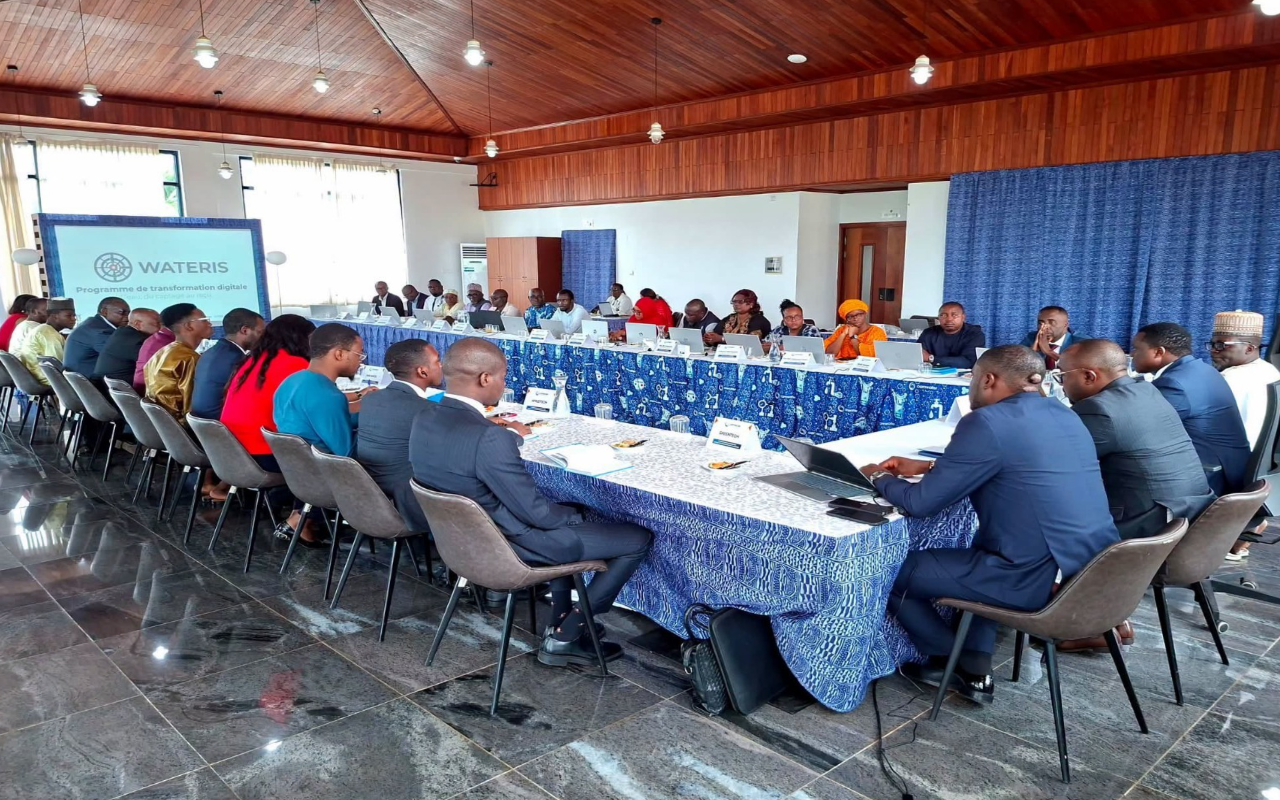
This commitment was made during a regional workshop held in Douala from March 3 to 5, 2025, focused on strengthening governance and monitoring of state-owned enterprises.According to Commissioner in charge of economic, monetary and financial policies at CEMAC, "this text will notably make it mandatory to monitor the performance of public enterprises, produce annual reports, and define concepts and parameters for harmonization". Concretely, state-owned companies, which currently only report to their boards of directors, will now have to submit their annual reports for review by the CEMAC Commission.This initiative represents a major breakthrough in the reform of state-owned enterprises, whose performance levels vary significantly from one country to another in the sub-region. It highlights that this harmonization is a requirement of good governance that should be accompanied by a political will of leaders for this mechanism to be effective. CEMAC countries have established many state-owned enterprises in key sectors to tackle economic and social challenges. Nevertheless, most of these enterprises struggle with operational and financial challenges. "Consequently, their performance declines, leading to economic losses, inadequate revenue, rising debt, and substantial budgetary burdens on the states.A key challenge for these enterprises is balancing their public service mandates with the need for profitability and financial sustainability. A 2019 report by Cameroon's Technical Commission for the Rehabilitation of Public and Parapublic Sector Enterprises found that the 50 analyzed state-owned enterprises incurred a total loss of 59.5 billion CFA francs in that year.An analysis by the International Monetary Fund (IMF) reveals that Cameroonian state-owned enterprises generally produce "poor results". Not only do they not pay dividends to the state shareholder, but they also heavily rely on public subsidies, which account for 1% of the country's GDP, according to the Ministry of Finance. Furthermore, their excessive debt constitutes a major budgetary risk for the public treasury. Indeed, Cameroonian state-owned enterprises struggle to improve their profitability and honor their debts, making it difficult for them to transition to non-sovereign financing. The ability of these enterprises to reverse this trend will largely determine the success of this strategy.To reverse this trend, the Cameroonian government has been recommending for several years the suspension of subsidies and the orientation of public enterprises towards non-sovereign loans from financial partners and credit institutions. This strategy aims to improve their performance and competitiveness
Christelle koambi

JESSICA CHRISTELLE KOAMBI
Commentaire(s) du post

 bernardo2


Floyd Miles
Actually, now that I try out the links on my message, above, none of them take me to the secure site. Only my shortcut on my desktop, which I created years ago.