

Electricity in Africa : IEA's solutions to address financing challenges
Dernière mise à jours il y'a 2 ansThe development of electricity production in Africa is hindered by the high costs associated with financing its implementation, but solutions exist
Lire aussi : Sosucam :970 hectares of fields burned, with losses estimated at CFA 5 billion
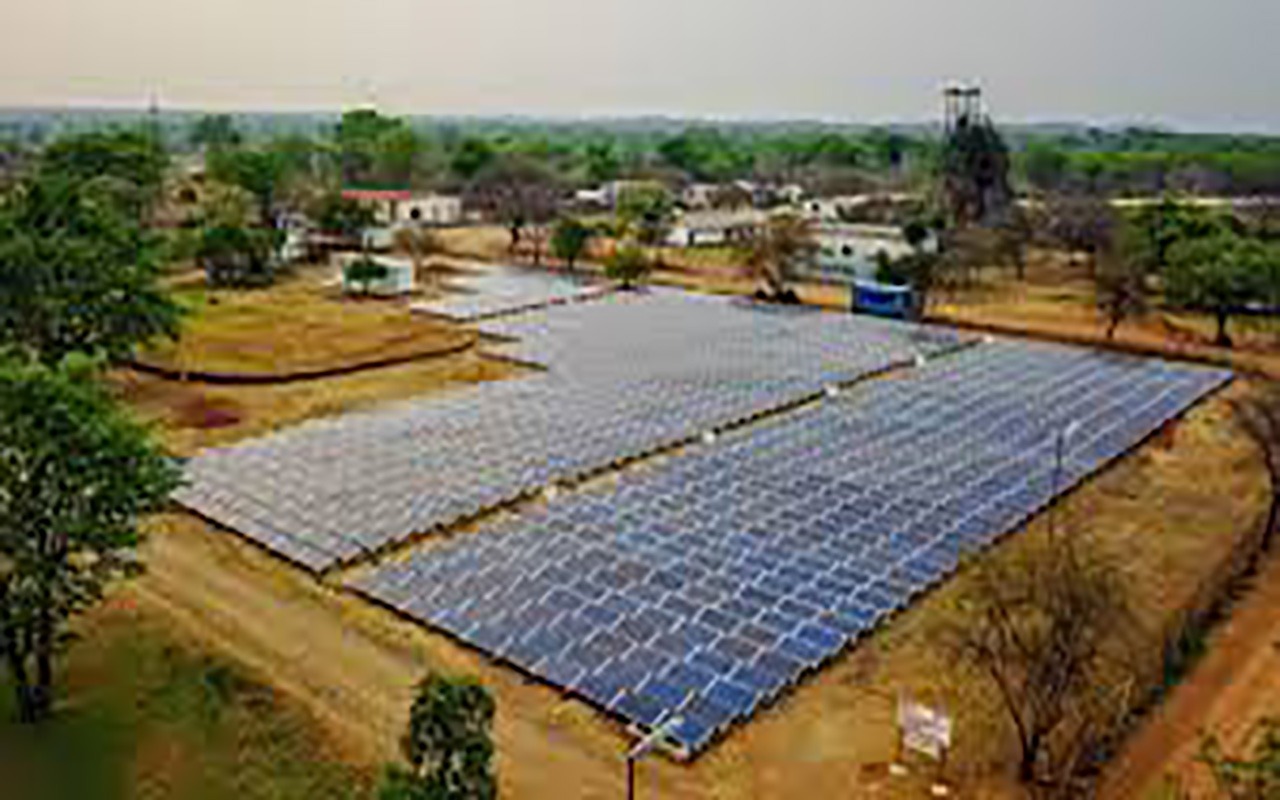
This is suggested by a report by the International Energy Agency (IEA) published on Thursday, February 6. Using the examples of Kenya and Senegal, the report highlights that many African countries face higher capital costs than those practiced elsewhere in the world, particularly in the markets of the wealthiest countries.Africa has considerable potential to promote access to electricity for its population. However, the exploitation of this potential remains limited due to the high costs associated with achieving this goal.Despite clear interest from investors, the cost of capital for clean energy projects in these two countries remains high. For large-scale solar projects, our survey data suggests that the weighted average cost of capital (WACC) in Kenya and Senegal ranges from 8.5% to 9%. In North America or Europe, rates range from 4.7% to 6.4%," the document states. According to the document, these figures are even higher in South Africa and other emerging and developing economies, "where WACC ranges from 9.5% to 11%". Public financing constraints, low savings rates, and a strong dependence on international financing are among the causes that, according to the document, explain this situation, making green energy projects less attractive and more expensive.According to the report's authors, these difficulties can however be overcome. States could consider using more concessional financing, such as low-interest loans or risk guarantees, to reduce the financial burden of projects. Although the implementation of these mechanisms could depend on governments' ability to negotiate favorable conditions and manage the challenges related to the sustainability of these financings. African governments could also direct their renewable energy project financing strategy towards improving the financial health of public services, particularly by strengthening their solvency and adjusting electricity tariffs to real market costs. However, these adjustments should be made progressively, taking into account, for example, the social and economic impacts on the most vulnerable populations.In addition to these measures, the IEA also recommends encouraging local currency financing to limit exposure to currency fluctuations. According to the international institution, access to equity funding in the initial phase and an increase in targeted subsidies would also facilitate project viability. To be effective, the agency believes that these measures should be combined with policy reforms and adapted financing structures that can create a more reassuring framework for investors, essential for accelerating the expansion of electricity in Africa. According to the IEA, this dynamic would involve increasing annual energy investments from $110 billion today to over $200 billion by 2030 christelle koambi

JESSICA CHRISTELLE KOAMBI
Commentaire(s) du post
 bernardo2


Floyd Miles
Actually, now that I try out the links on my message, above, none of them take me to the secure site. Only my shortcut on my desktop, which I created years ago.