


Electric vehicle Sales Surge : A Boost For Africa.
Dernière mise à jours il y'a 2 ansThe IEA expects electric vehicle sales to reach 40 million units by 2030. A scenario that could be beneficial for Africa, which holds an estimated 30% of the essential minerals needed to manufacture this category of vehicles.Global sales of electric and hybrid vehicles (EVs) are expected to exceed 20 million units in 2025, marking a significant increase of at least 17% year-over-year.
Lire aussi : DRC: UNICEF Seeks $22 Million To Help 282,000 Children In The East
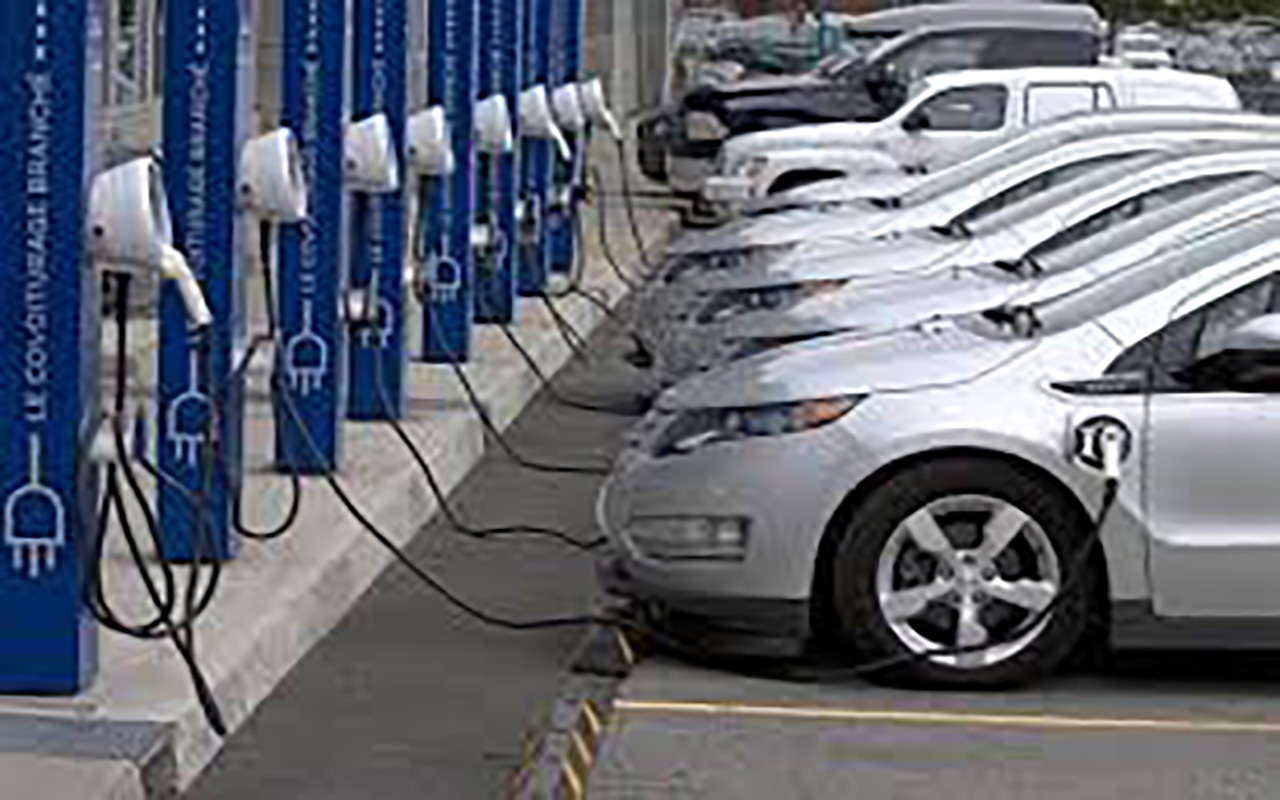
This is according to forecasts by research firm Rho Motion, announced on Tuesday, January 28, and reported by Reuters. The forecasts take into account both fully electric and hybrid vehicles.According to the report, this growth momentum is expected to be driven primarily by the performance of the Chinese market. China is expected to maintain its dominance in the EV market in 2025, thanks in part to the extension of state subsidies to stimulate consumption in the country.Based on this, Rho Motion experts anticipate a 17% increase in electric vehicle sales in China this year. The EU and the US will follow, with growth rates of 15% and 16%, respectively.However, they add that these performances could still increase in the coming years, given the ongoing transition to electric vehicles. The goals of limiting global warming under the Paris Agreement scenario are indeed at the heart of the policies of most countries in the world, which favors the adoption of less emissive solutions like electric vehicles.The International Energy Agency (IEA) also shares this view, predicting an increase in global electric vehicle sales to over 40 million by 2030.While electric vehicle sales are expected to experience significant growth over the next decade, Africa could potentially benefit from this trend. This is because the continent is estimated to hold around 30% of the world's critical mineral reserves, which are essential for the production of electric vehicles and their batteries. These raw materials include copper, cobalt, lithium, aluminum, nickel, manganese, and rare earths.Currently, there are already several key producers of these minerals in Africa, such as the Democratic Republic of Congo (DRC) for copper and cobalt, as well as other players like Zimbabwe, Zambia, Tanzania, Madagascar, and more recently Mali with the start of production at the Goulamina lithium mine.In a scenario marked by accelerating electric vehicle sales, these countries could play an even greater role in supplying raw materials to manufacturers in this market. Additionally, they could attract new investors looking to partner on the exploitation of these minerals.According to a study by the Future Minerals Forum. In 2024, around $5.4 trillion in investments will be needed in critical minerals by 2035 as part of the energy transition, with Africa at the top of the list of regions likely to benefit from these funds.Although the continent is expected to benefit from the rise of electric vehicles, it's worth noting that it still doesn't fully exploit the potential of its resources. African producers continue to export raw minerals, struggling to cover other links in the value chain. This limits the revenue generated from this activity, which currently stands at around 40% of what these actors could potentially derive from these resources, according to the UNCTAD.A growing awareness seems to be emerging among producers, who are increasingly seeking to impose clauses related to local transformation on foreign investors. However, the road ahead is likely to be long and will require overcoming several major challenges.James Wakiaga, Resident Representative of the UNDP in Zambia, cites among the obstacles, unreliable electricity, lack of technical expertise, high investment costs, and the need for regional coordination.
Christelle Koambi

bernardo carlos ndjomo
Commentaire(s) du post


Floyd Miles
Actually, now that I try out the links on my message, above, none of them take me to the secure site. Only my shortcut on my desktop, which I created years ago.