

Cemac : A pillar of a stable CFA Franc
Dernière mise à jours il y'a 2 ansThe International Monetary Fund (IMF) is confident that the Economic and Monetary Community of Central Africa (CEMAC) can improve one of the pillars of a stable CFA Franc, particularly the net external assests
Lire aussi : Agriculture :Cameroonian cocoa legal requirements to enter the European market
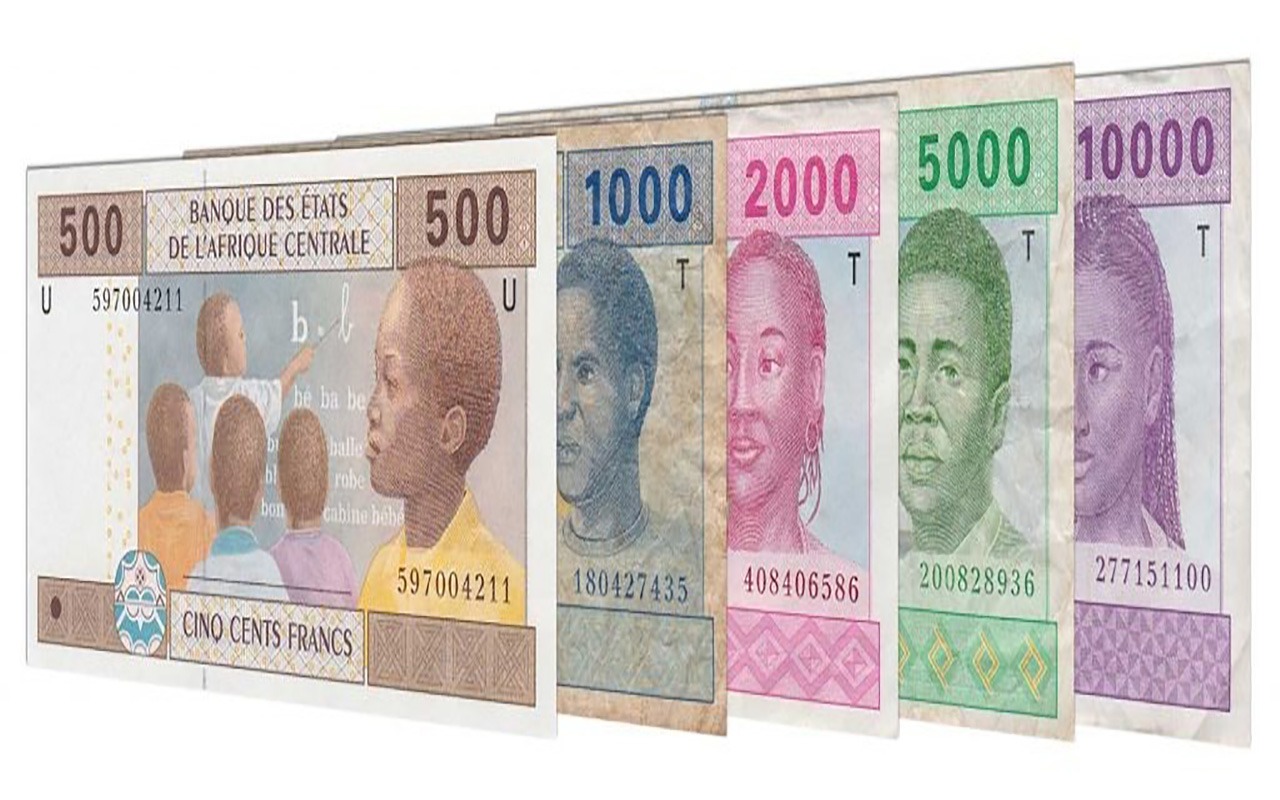
This is stated in a statement released by the IMF, which highlights that the reforms carried out by the institutions and member states of the CEMAC zone can improve the value of net external assets between March 2025 and June 2025.The IMF's positive opinion on CEMAC's ability to improve its financial stability is expressed despite the fact that the sub-region has not reached the required level of net external assets. According to the Central Bank (BEAC), the sub-region's net external assets were 3,058.6 billion FCFA as of November 21, 2024, up 15.8% year-over-year. However, this figure appears to be below the commitments made by the countries of the sub-region. According to economic literature, these assets represent the difference between the financial assets held by a country's residents abroad and the financial commitments of non-residents to that country. In other words, they measure the net position between what a country owes abroad and what it expects to receive from abroad. An emergency meeting was held in December 2024 in Yaoundé, Cameroon, to protect the external stability of CEMAC. The goal was to take corrective measures to prevent a devaluation of the currency. To assess the solidity of this external position, the IMF looks at several indicators, including the duration of import coverage by foreign exchange reserves. According to standards, the import coverage by foreign exchange reserves should be at least 3 months, but for countries rich in mineral resources and heavily dependent on them, such as CEMAC with oil, the standard is set at 5 months. However, according to provisional data collected by the IMF, the sub-region ended 2024 with an import coverage of only 4.3 months. Moreover, the capacity to strengthen these reserves is weak. Crude oil prices remain low, adding pressure to declining production. Meanwhile, the prices of petroleum products such as gasoline and diesel remain high on international markets, where supplies are sourced due to deficient or shutdown refineries (Cameroon). Furthermore, governments must rebalance their budgets by paying off payment arrears without accumulating new debt, which reduces their ability to support exports through production or infrastructure. The CEMAC is struggling to address its debt issues optimally, despite a relatively low debt-to-GDP ratio of 53%. In comparison, some more developed countries have much higher ratios, exceeding 100%. For member states like Cameroon, which are under a program, some reforms impose limits on the volume of new borrowing. Even if CEMAC countries target foreign borrowing, conditions are quite stringent and rating agencies' opinions are not always favorable. Two of the countries rated by S&P Global Ratings (Chad and Cameroon) have stable outlooks, but are deemed speculative-grade investments. A detailed analysis of the updated elements guiding the IMF's decisions on CEMAC is forthcoming. For 2025, the year promises to be complex, particularly due to Cameroon. In November, the country will have to repay $250 million, representing the balance of a previous eurobond. However, Cameroon has a good track record of repaying its loans, with a 100% repayment rate over the past 13 years [1]. This testifies to its ability to attract investors to finance its National Development Strategy.A presidential election is also scheduled to take place, a moment considered critical for economic policies. The region's banks are under pressure due to significant exposure to country risks in the sub-region. More than 60% of bank exposure is to states, and among these, difficulties are noted in the repayment processes.With a struggling real sector in terms of production and supply, inadequate foreign exchange reserves, and a persistent deficit in international transfers until 2029, CEMAC appears to still be facing an economic emergency. The proposed solutions are complex. It is necessary to find ways and means to overcome this situation, while the ability to mobilize long-term debt is low, unlike what has been observed in almost all global crises in recent years
Christelle koambi

JESSICA CHRISTELLE KOAMBI
Commentaire(s) du post
Articles similaires
 bernardo2




Floyd Miles
Actually, now that I try out the links on my message, above, none of them take me to the secure site. Only my shortcut on my desktop, which I created years ago.