


Budget 2026 : Malabo Reduces its Envelope by 8%
Dernière mise à jours il y'a 11 moisEquatorial Guinea is embarking on a path of preemptive fiscal austerity. The draft finance bill for 2026, submitted to Parliament, provides for a balanced budget of 1,294.2 billion FCFA, representing a net decrease of 8% compared to the 2025 financial year. This contraction is Malabo's response to the dual constraints of volatile global hydrocarbon prices and a structural decline in national production.
Lire aussi : Coopération bilatérale : Le C2D investit 3 milliards FCFA pour soutenir l'insertion professionnelle à l'Est
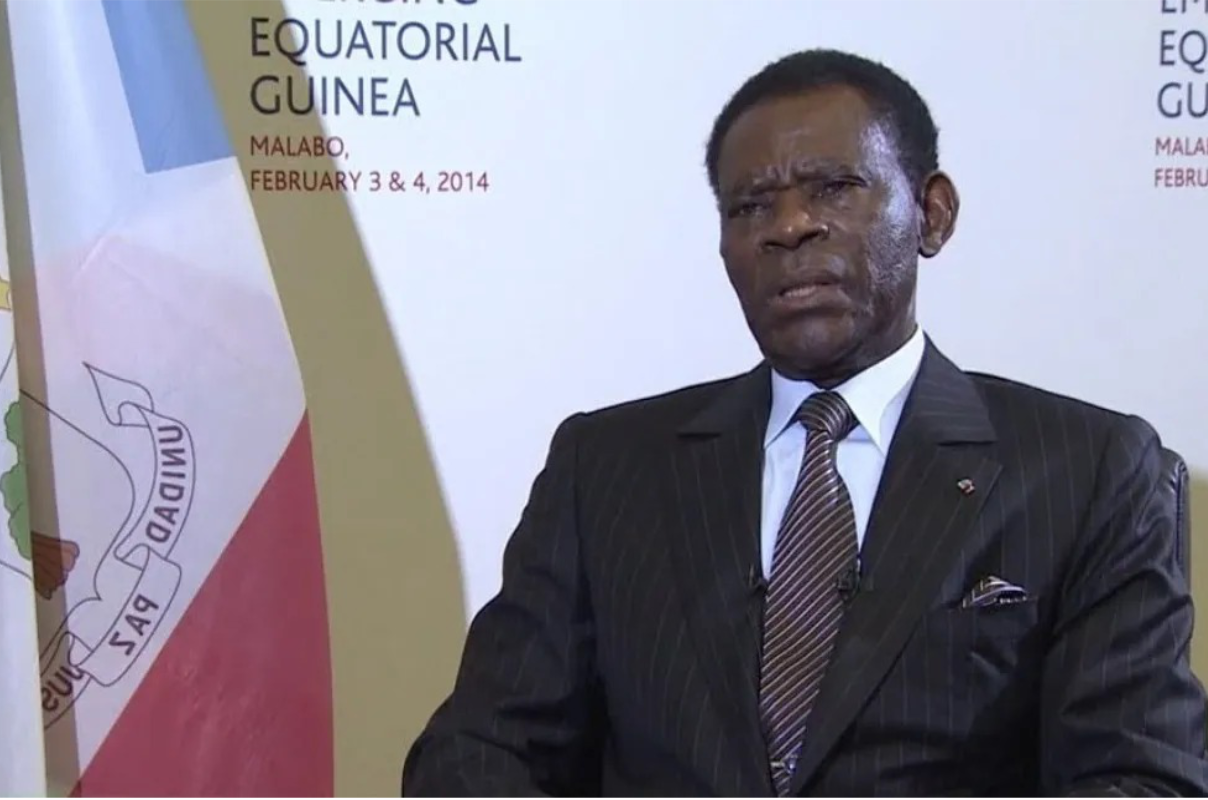
Expected revenues are revised downwards by 111.5 billion FCFA (-8%), while expenditures are reduced by 109.2 billion FCFA (-7.8%). This effort aims to consolidate public finances and contain the chronic deficit caused by the country's dependence on oil revenues.
The decision to contract the 2026 budget is based on a critical reading of recent results. After recording a budget surplus of 190.6 billion FCFA in 2023, Equatorial Guinea's finances swung into negative territory in 2024, showing a deficit of 43 billion FCFA. This imbalance was directly attributed to the collapse of oil revenues, which fell by nearly 20% (-274.9 billion FCFA) year-on-year. The government had to contend with total revenues limited to 1,386.5 billion FCFA, while expenditures stood at 1,429.5 billion FCFA. Despite this difficult period, significant expenditure control in the first half of 2025 temporarily allowed the country to return to a positive balance, with a surplus of 148.4 billion FCFA. The 2026 adjustment aims to transform this occasional recovery into long-term stability.
Although the reduction in expenditure is necessary, the Malabo government asserts that the strategic objectives of the budget remain unchanged. The priority is to reduce governance vulnerabilities and stimulate economic diversification by improving the business environment. The country seeks to encourage private investment and the growth of non-oil sectors, while ensuring fiscal sustainability in a context of oil revenues projected at sustainably lower levels. Another crucial objective is to restore the solidity of the banking sector, considered essential for supporting private activity and improving social indicators. By reducing its budget envelope for 2026, Equatorial Guinea is sending a strong signal of fiscal prudence. This adjustment, while difficult, is deemed indispensable to progressively detach public finances from the volatile commodity cycle and ensure the country's macroeconomic viability.

bernardo carlos ndjomo
Commentaire(s) du post



Floyd Miles
Actually, now that I try out the links on my message, above, none of them take me to the secure site. Only my shortcut on my desktop, which I created years ago.