


Social housing : The End of the Tax Windfall
Dernière mise à jours il y'a 10 moisThe dream of home ownership is fading for millions of Cameroonians. As the country grapples with an unprecedented housing crisis with an unmet need estimated at 2.5 million units a new barrier has just emerged. The 2009 government program, which aimed to deliver 10,000 units, has only managed to produce 2,000 in sixteen years, barely 20% of the initial goal. In this context of acute scarcity, the State has chosen to activate a new fiscal lever, definitively ending the era of tax-free social real estate.
Lire aussi : Trade : $300 Billion Between January and November 2025 Between Africa and China
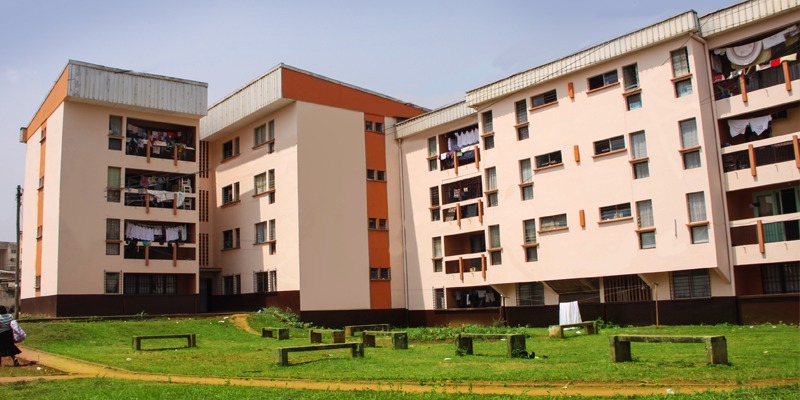
In Yaoundé, Douala, and Sangmélima, public construction projects are struggling to get off the ground, hindered by persistent land constraints. Partnerships with giants such as Addoha or Lafak now hang in the balance of a new economic equation. Beyond the lack of land, these projects face eroding viability. The slow delivery of the 1,675 housing units in the pilot phase testifies to a system at its breaking point, where demand is skyrocketing while supply remains stagnant.
It is on this sensitive ground that the 2026 Finance Law imposes a major turning point. Starting next year, the total VAT exemption previously enjoyed by social housing will be abolished. The State is introducing a 10% rate that will now impact the entire ecosystem: from interest on mortgage loans to sales and rental contracts. While the Directorate General of Taxation (DGI) defends this as a "necessary adjustment" to optimize the fiscal architecture, the consequences for citizens are immediate: a direct increase in the cost of accessing a home.
The tax administration's objective is clear: to replenish the Public Treasury's coffers with a revenue forecast of 3 billion FCFA in the first year. By describing this measure as an "intermediate rate" to correct past inefficiencies, the Ministry of Finance is prioritizing budget collection. However, for private developers, this fiscal parameter acts as a new obstacle. The rising cost of investments and credit risks stalling the few remaining projects in progress, making public-private partnerships more fragile than ever in the face of social urgency.
CK

bernardo carlos ndjomo
Commentaire(s) du post




Floyd Miles
Actually, now that I try out the links on my message, above, none of them take me to the secure site. Only my shortcut on my desktop, which I created years ago.