

Public-Private Partnership: CEMAC Paves The Way For Local Private Sector To Invest In Integrative Projects
Dernière mise à jours il y'a 2 ansThe Economic and Monetary Community of Central Africa (CEMAC) is opening up opportunities for the local private sector to invest in integrative projects through public-private partnerships.
Lire aussi : Cameroon: State Grants Oriole Resources An Additional 2 Years To Explore Wapouze Limestone
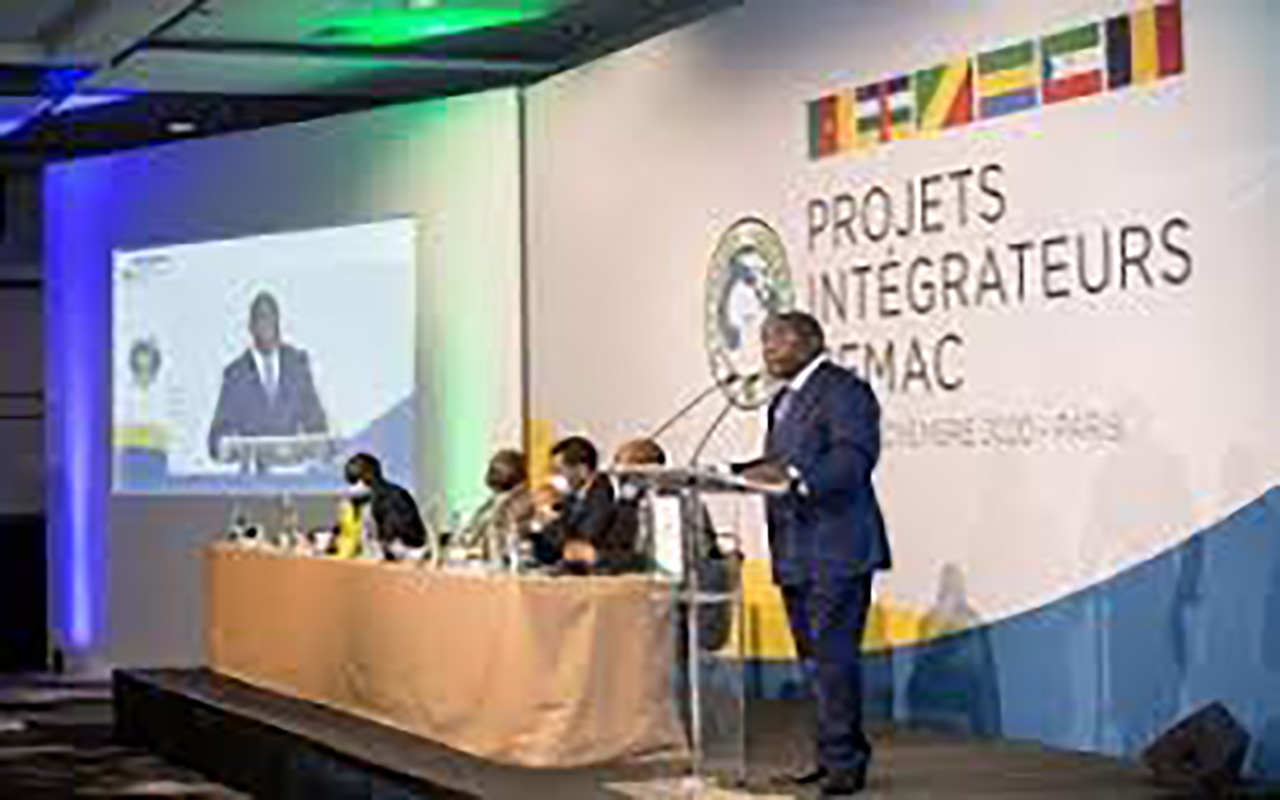
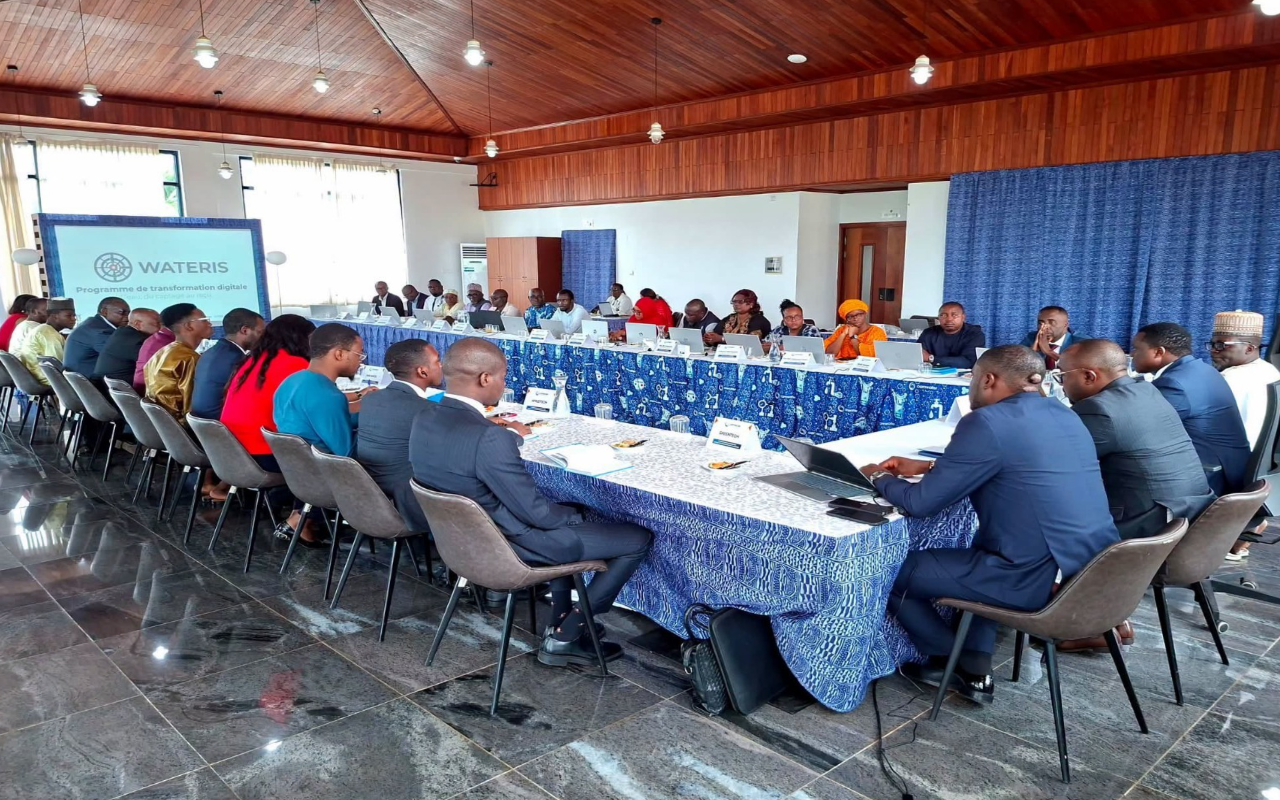
The Economic and Monetary Community of Central Africa (CEMAC) has adopted a regional strategy to involve the local private sector in the implementation of integration projects. This decision was made during a workshop held in Douala on January 28-29, 2025.From now on, the private sector will be solicited to contribute to the implementation of regional projects, thanks to the adoption of a regional public procurement strategy and a directive on Public-Private Partnerships (PPPs). According to Dieudonné Bondoma Yokono, President of the Support Contract for the Implementation of Partnership Contracts (CARPA), "these texts will enable the implementation of PPPs in the CEMAC zone, and thus hope that the projects identified by the CEMAC Commission can be implemented with the support of the private sector.Private sector companies from the six CEMAC countries (Cameroon, Central African Republic, Congo, Gabon, Equatorial Guinea, and Chad) can now finance or bid on contracts for the implementation of integration projects in the community space. Until now, these contracts were financed by states, sub-regional banking institutions, or international donors, who almost always imposed international contractors for project implementation.The adoption of these two texts opens the way for the private sector of CEMAC countries to win contracts, implement them, and expand their portfolio. The development of these two texts was funded by the French Development Agency (AFD) and the CEMAC Commission, each contributing 327.5 million FCFA, for a total of 655 million FCFA.The regional public procurement strategy covers both PPPs and public contracts. It provides the steps to follow in facilitating the development of basic infrastructure in the sub-region, particularly with two new elements: a planning methodology to better identify and select priority projects, and a pre-figuration study for the establishment of a fund to finance PPP project studies. For the President of CARPA, this is a sig
nificant step forward for CEMAC. "This means that the private sector can now finance and implement integration projects. Given the magnitude of infrastructure needs, our states cannot have sufficient budgets to implement these projects," emphasizes Dieudonné Bondoma Yokono. However, CEMAC member states will have to transpose this directive into national law within two years for it to be effective and operational. According to the CEMAC Commission, this directive will harmonize PPP contracts, with the aim of promoting the development of infrastructure and service projects in the sub-region. Notably, this involves 13 integration projects for which CEMAC obtained financial commitments of 6034.8 billion FCFA, exceeding the target amount of 4803 billion FCFA, representing a subscription rate of 104%. These projects include, for example, the construction of the single control post in Koutéré, a border village between Cameroon and Chad. The CEMAC Commission has identified these 13 integration projects and secured financial commitments of 6034.8 billion FCFA during a financing roundtable in Paris, surpassing the initial target.¹ ² ³ The projects focus on four main areas: physical infrastructure development, energy production reinforcement, promotion of a single market, and economic diversification.
Christelle koambi.

bernardo carlos ndjomo
Commentaire(s) du post



Floyd Miles
Actually, now that I try out the links on my message, above, none of them take me to the secure site. Only my shortcut on my desktop, which I created years ago.