


Foreign Trade : Significantly Increased Figures Between 2018 and 2025
Dernière mise à jours il y'a 1 ansThe evolution of Cameroon's foreign trade between 2018 and 2025 reflects a desire for economic rebalancing. Positioning itself as the crossroads of Central Africa, the country has focused on infrastructure modernization and regional integration to boost its trade.
Lire aussi : Aviation civile : Le Cameroun honoré par l’OACI
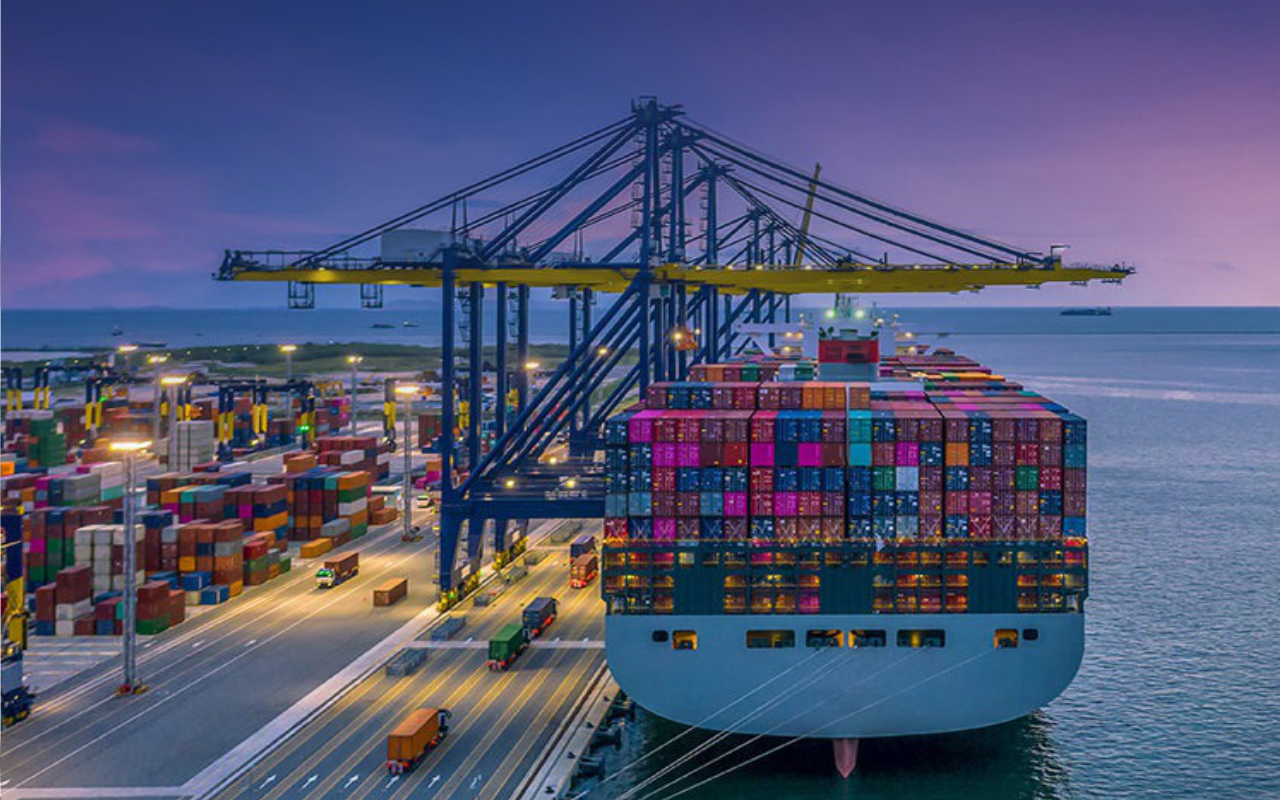
This effort initially resulted in a contraction of the trade deficit. After exceeding 5% of Gross Domestic Product (GDP), it stabilized at around 4% in 2023-2024, marking notable progress towards a healthier balance. This recovery is intrinsically linked to the deployment of transportation facilities. The Kribi deepwater port, operational since March 2018, is the embodiment of this. In 2024, it handled 1.2 million TEUs, establishing itself as a key terminal in the Gulf of Guinea. This port provides direct maritime access to the landlocked nations of the Central African Basin. Membership in CEMAC and the AfCFTA experiment have served as an institutional foundation for this ambition. Regional projects, financed by the African Development Bank (of which 58.6% of Cameroon's portfolio is allocated to transport), support integration.
The Yaoundé-Bangui and Kribi-Mbounda corridors already reduce logistics costs by an average of 15% and facilitate transit.
Export analysis reveals a gradual shift from the sale of raw materials to processed products. The cocoa sector best illustrates this value-added effort. With yields increasing by +6% per year since 2018, production is gaining in intensity. More importantly, the Atlantic Cocoa factory (Kribi, operational since 2022) processes 50,000 tons of beans, creating 25% more added value than the export of raw beans.
The decline in log exports is a political choice following the increase in the export tax to 75% in 2024. The objective is to end log exports by 2028 in favor of the local furniture and panel industry. Despite a slight 2% year-on-year contraction in shipments (reaching 16,830 t in April 2025 after a peak of 190,000 t in 2022), the banana sector maintains the bulk of its volumes towards the European Union.
Despite the fluctuation of the CEMAC Composite Commodity Price Index (ranging from -12% to +8% between 2022 and 2024), the long-term vision is geared towards resilience and food security.
CK

bernardo carlos ndjomo
Commentaire(s) du post






Floyd Miles
Actually, now that I try out the links on my message, above, none of them take me to the secure site. Only my shortcut on my desktop, which I created years ago.