


Gabon : AfDB Warns of Economic Slowdown by 2026
Dernière mise à jours il y'a 6 moisAccording to the African Development Bank's (AfDB) African Economic Outlook 2025 report, Gabon is expected to experience a slowdown in its economic growth, with a projected rate of 2.2% in 2026 compared to 2.4% in 2025. This is due to a continued decline in oil production, despite the anticipated resilience of non-oil sectors.
Lire aussi : Route Bafang-Nkondjock : En pleine cure de jouvence
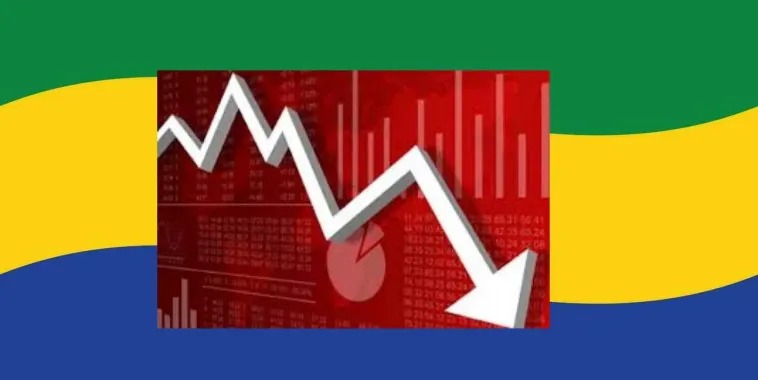
Gabon's economic outlook for the coming years confirms a trend of slowing growth. According to the latest AfDB data, this dynamic is mainly explained by the gradual contraction of oil production, a sector historically central to the national economy.
Growth Hampered by Oil Decline
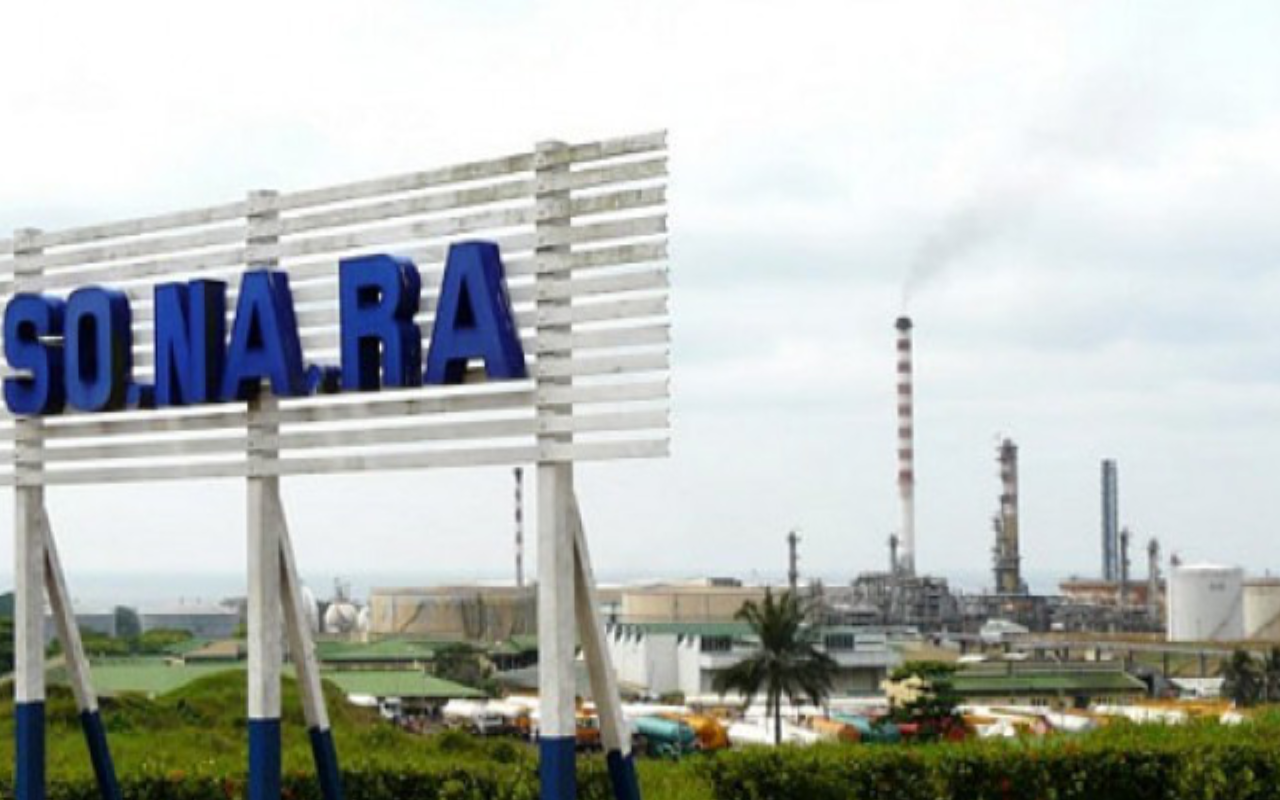
The AfDB emphasizes that oil production is expected to decline by 2.1% in 2025 and then by 4.7% in 2026, due to the maturation of oil fields. This structural decline continues to weigh on the country's overall performance, thus limiting the potential for GDP growth.
In this context, real GDP growth is projected to slow from 2.4% in 2025 to 2.2% in 2026, reflecting a certain sluggishness in economic activity. This trend highlights Gabon's persistent dependence on oil revenues. However, the African Development Bank (AfDB) notes that non-oil GDP is expected to show stronger momentum, driven by expanding sectors.
Non-oil as a lever for resilience
Faced with the decline in oil revenues, several sectors are expected to contribute to supporting the economy. Agriculture, particularly the timber and palm oil sectors, the mining sector with manganese, as well as construction and public works and domestic demand, are identified as drivers of growth.
This gradual diversification is a key lever for mitigating the effects of the oil decline. It also reflects the efforts undertaken by the authorities to reorient the economic model towards higher value-added activities. Nevertheless, this transition is still insufficient to fully compensate for the losses linked to the decline in hydrocarbons, hence the need to accelerate structural reforms.
On the macroeconomic front, the outlook remains mixed. Inflation is expected to be contained at 2.3% in 2026 thanks to the anti-inflationary measures implemented, thus offering some respite to households.
However, the budget deficit is expected to widen due to the combined effect of increased public spending and lower oil revenues. At the same time, the current account surplus is projected to shrink, falling to 4.7% in 2025 and then to 3.2% in 2026. These indicators reflect the growing fragility of macroeconomic balances in an uncertain international environment.
External and structural risks to monitor
The African Development Bank also warns of several risk factors that could jeopardize these projections. Declining global demand, volatile commodity prices, and tensions in international trade could weigh on Gabonese exports. In addition to these challenges, internal constraints, including infrastructure deficits and logistical disruptions, continue to hinder the economy's competitiveness.
In this context, the institution recommends adopting fiscal consolidation measures and better allocating resources toward productive investments. These guidelines are considered essential to strengthening Gabon's economic resilience and supporting sustainable growth in the medium term.
Asaba





Floyd Miles
Actually, now that I try out the links on my message, above, none of them take me to the secure site. Only my shortcut on my desktop, which I created years ago.